


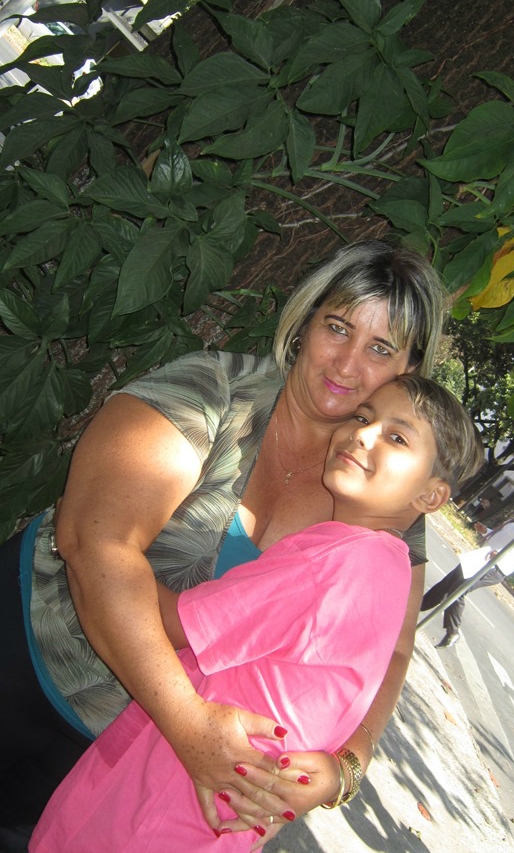
At 13 years old, Albert Martins, who lives in Ituiutaba (MG), loves sports. Besides regular swimming and cycling, and winning medals at competitions, he plays soccer, shuttlecock, volley and basketball in his free time. He has also taken guitar lessons for the past two years and, whenever possible, hangs out with his colleagues. “I have many friends at school, we go to the cinema almost every week”, tells the young man adding he prefers action and horror movies.
The only child of Aparecida da Silveira and with other half siblings on his father’s side, Albert has to juggle his busy schedule to include frequent visits to Belo Horizonte for his follow-up at Hospital das Clínicas of Federal University of Minas Gerais (HC/HC/UFMG). “When you arrive, they take you to a room, a doctor comes, checks your height, then the pediatrician comes, then the nutritionist. He asks what I have been eating, if I have been eating well, spending energy. The physiotherapist too. They revise me, collect samples…,”he says. All that care is because the young man has cystic fibrosis, a genetic disease diagnosed through newborn screening (neonatal heel prick test). The disease’s main characteristic is the accumulation of thick mucus in the lungs and in the gastrointestinal system caused by the malfunctioning of the exocrine glands.
“Eight days after the heel prick test, they called me to give the result and told me that we should go to Belo Horizonte to take the confirmatory test”, recalls Aparecida. After the confirmation of cystic fibrosis, her son’s treatment started in the same day. The hairdresser tells that nobody in her town knew the disease: “It was really scary. I had to go through a psychologic treatment. But with the time, everything came into place”.
Long trips and adaptation
Currently, Albert’s medical consultations at HC/UFMG, through the Minas Gerais Newborn Screening Program (PTN – MG), happen each three months. “The downside of coming here is the 12-hour-journey”, confesses the teenager. “The bright side is that when you arrive here, then the doctors are good people, they attend you well, play with you”, he adds.
The care to keep the control of cystic fibrosis is done at home: medication, physiotherapy and diet. “His food has high caloric value; it is different from other children’s and it is prepared especially for him”, explains the mother. Those measures are taken to avoid the main complications related to the disease. Lung infections and digestive problems happen due to the organism difficult in producing enzymes and absorbing nutrients properly, which can lead to malnutrition. “He does everything very naturally. And for the doctors, the sport only helps”, she highlights.
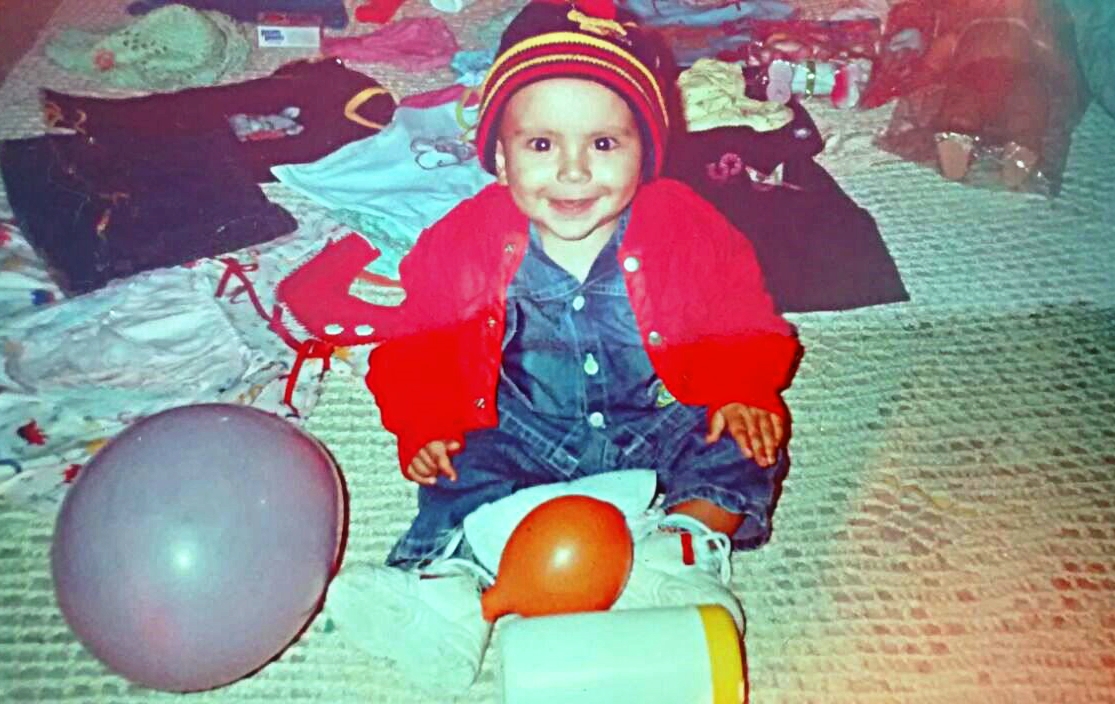
Aparecida recognizes that nowadays the family accepts the disease naturally, but up to the child’s five-year-old, the situation was very different. The boy’s organism struggled to gain resistance and to adapt to the medication. One of the episodes happened when Albert, at three, needed to be immediately hospitalized right after a strong lung infection. To make the follow-up easier, the family was referred to Uberlândia, at 140 Km from Ituiutaba. There were 23 days of medication and hospitalization. “Tests showed that the bacteria became resistant to the medication. I worked but had to give it up, because there was no way to keep my job anymore. It was a time when I almost lost hope”, she says.
After that, Aparecida requested her son’s immediate transference to the capital. The hairdresser says that as Albert is currently in good condition, so HC/UFMG medical team suggested that they continue his follow-up in Uberlândia, to make the family’s access easier due to the distance. “I’d rather continue here. The medical team is wonderful, they attend him very kindly, and they are very attentive to the tests. Treatment here is perfect”, she affirms.
Diagnosis and future
Albert was born in August 2003 and is one of the first children to be diagnosed with cystic fibrosis through PTN-MG. The Program is free of charge for all state’s children. It is under the coordination of State Health Department of Minas Gerais (SES – MG) and realized by the Center for Newborn Screening and Genetics Diagnosis (NUPAD) of UFMG School of Medicine. Months before Albert’s birth, in July 2003, the Program included the cystic fibrosis in its framework. “Maybe he wouldn’t be here now”, says Aparecida. “For me, it is a God’s miracle”, Albert adds.
The mother highlights the family’s role to keep the child healthy. “Nobody treats him as a sick child, but as an especial child. The treatment has been working, and he is fine. That’s what matters to us”, she states.
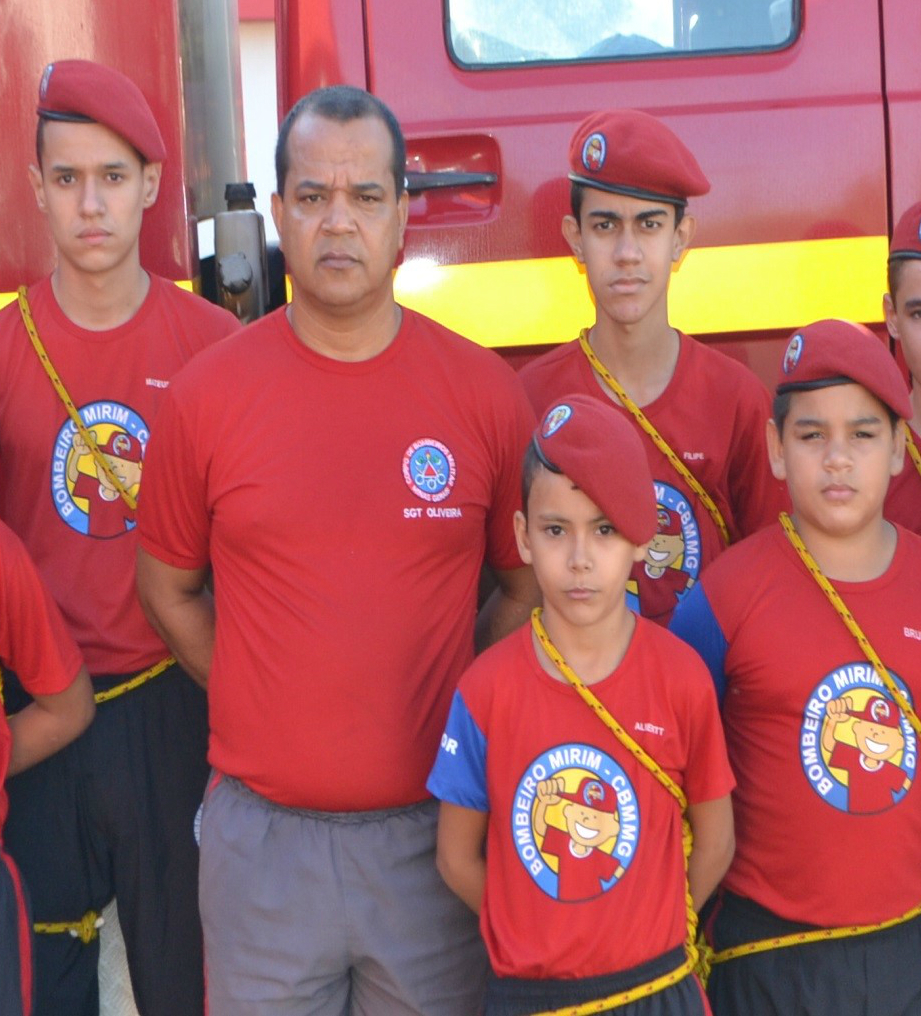
Besides physical exercises, which according to Aparecida take up most of her son’s life, Albert mentions other interests: “I have always wanted to be a head of police, since I was little, but I won’t give up sport”. On the other hand, he also reveals he would like to be in the Navy, after finishing high school. “I took the Junior Firefighter Program and I liked the military area a lot”, he guarantees. The mother has a different bet: “I think he will end up being a future athlete”.
Minas Gerais Newborn Screening Program – PTN-MG
Since 2003, Nupad realizes the newborn screening test for cystic fibrosis for whole Minas Gerais state through PTN-MG, under SES-MG management.
Along with the cystic fibrosis, PTN-MG diagnoses five other diseases: congenital hypothyroidism, phenylketonuria, sickle cell disease, congenital adrenal hyperplasia and biotinidase deficiency.